
Dermatopathology Fellowship
Overview
The WashU Medicine Dermatopathology Center offers a one-year fellowship designed to prepare aspiring dermatopathologists to work independently in an academic or private practice setting.
The program provides intensive training in the evaluation of cutaneous disease, including the use of immunofluorescence, immunohistochemical stains and molecular diagnostics. Cases are obtained from in-house, hospital-based and outpatient-based dermatology clinics as well as outside consultations. Research opportunities in a wide range of fields are available and participation is encouraged.
Learn more about the Dermatopathology Center.
Program Details
The Dermatopathology Fellowship takes place in state-of-the-art facilities at the WashU Medicine Dermatopathology Center. Our center is located in Cortex, the bioscience hub of St. Louis, and operates as an independent laboratory with dedicated staff, including experienced histotechnologists and clinical support specialists. The facility features a spacious sign-out room with a multiheaded microscope, individual office spaces for attendings and fellows, and an immunofluorescence microscope to support advanced diagnostic work.
For dermatology-trained fellows, additional rotations in anatomic pathology will occur at the BJC Institute of Health (BJCIH) on the WashU Medicine campus. For pathology-trained fellows, additional exposure to clinical dermatology will occur at the BJH Center for Outpatient Health, where they will have the opportunity to work with various faculty members from the Division of Dermatology.
Education
Supported by a world-class medical school, the WashU Medicine Dermatopathology Center strives to provide superior education to future generations of dermatologists and pathologists. Our trainees augment our team, allowing us to handle a large caseload of both basic and complex cases.
Dermatology Grand Rounds
Patients presenting with diagnostic or therapeutic challenges may be examined at the weekly Grand Rounds conference held by the Division of Dermatology. Clinical faculty members will discuss the clinical presentation and biopsy results of each patient and offer diagnosis and treatment recommendations to the referring physician. Dermatopathology faculty play a key role in this discussion by clarifying pathologic findings and working with clinical faculty for appropriate clinicopathologic correlation.
Fellows must be board-certified or board-eligible in anatomic pathology or dermatology.

Transform Your Passion into Expertise
For the 2028–2029 academic year, we will participate in the NRMP Match. Please check back for updates and any changes that will apply to the upcoming recruitment season.
Program Director:
Aaron Russell, MD
Dermatopathology Center
WashU Medicine
CORTEX Building, Suite 212
4320 Forest Park Avenue
St. Louis, MO 63108
Phone: (314)-362-6857
Program contact:
Molly Newport
Fellowship Coordinator
Phone: (314)-273-5476
nmolly@wustl.edu
Faculty and Trainees
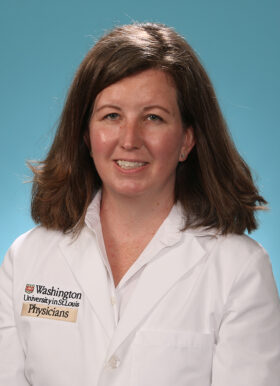
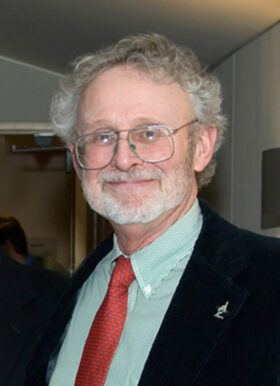
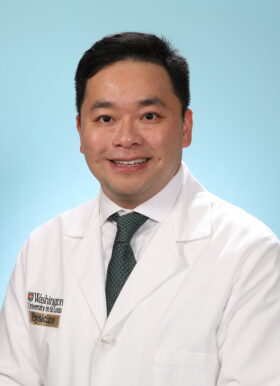
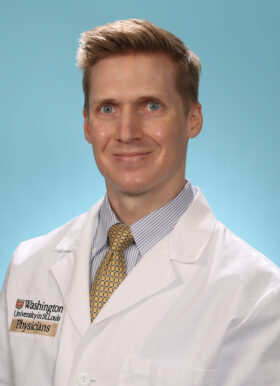
Let’s Connect
Your questions and feedback are the keystones of our continuous improvement. Whether you’re seeking more information about our services, need assistance from our experts, or want to share your experience, we’re here to listen and respond.