PSTP Alumni
Over the past 24 years, the Pathology Physician-Scientist Program has successfully trained 26 physician-scientists. Twenty-five of these graduates currently hold faculty positions and participate in bench and clinical research at prestigious institutions across the US. Seven are current faculty at WashU.
Pathology PSTP alumni have been phenomenally successful in securing grant funding, accumulating over $58 million in funding from many sponsors, including the NIH and private foundations shown below.
WashU PSTP Faculty
- NIH Awards: 27
- K08: 10
- R01: 7
- R21: 4
- DP5: 2
- Other (R13, F30, F31, P01): 4
STP Faculty at other institutions
- NIH Awards: 25
- R01: 7
- R21: 5
- DP5: 1
- Other (R03, R13, R35, R37, R56, F30, F31, P01, U01, etc.): 12
PSTP Alumni have secured grant funding from the following Agencies and Foundations
- American Society of Clinical Oncology
- American Society for Hematology Scholar Award
- American Society for Transplantation
- American Society for Transplantation and Cellular Therapy
- Burroughs Wellcome Career Award
- College of American Pathology
- Conquer Cancer Now Award
- Doris Duke Foundation
- Leukemia Lymphoma Society
- Lloyd J. Old STAR Award – Cancer Research Institute
- Lymphoma Research Foundation
- National Cancer Institute
- National Center for Complementary and Integrative Health
- National Heart, Lung, and Blood Institute
- National Institute of Aging
- National Institute of Allergy and Infectious Diseases
- National Institute of Child Health and Human Development
- National Institute of Dental and Craniofacial Research
- National Institute of Diabetes and Digestive and Kidney Diseases
- National Institute of General Medical Sciences
- National Institute of Neurological Disorders and Stroke
- Sarcoma Foundation of America
- Siteman Cancer Center
PSTP Alumni
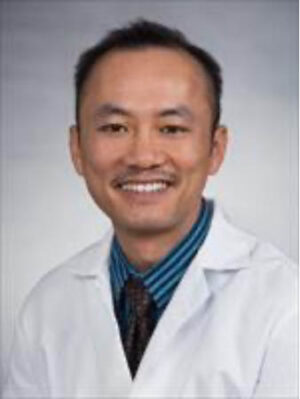
Jack Bui, MD, PhD
PSTP Graduation Year: 2006
Current Position & Institution: Professor of Pathology; Director of the Stem Cell Processing Laboratory and the Flow Cytometry and Immunology Laboratory at the University of California, San Diego
Areas of Interest: My research laboratory is interested in elucidating how immune cells can be manipulated to control tumor formation. I am also involved clinically as the Director of the Stem Cell Processing Laboratory and the Flow Cytometry and Immunology Laboratory at the UCSD Clinical Laboratories. I have expertise in the immunophenotyping of immune subsets and in particular participates in multiple clinical trials where patient samples are analyzed for immune cell numbers and activity.
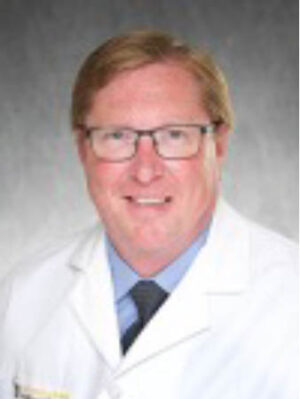
J. Stacey Klutts, MD, PhD
PSTP Graduation Year: 2007
Current Position & Institution: Clinical Associate Professor of Pathology; Deputy National Director of Veterans Health Administration Pathology and Laboratory Medicine Program at the University of Iowa Carver College of Medicine; Staff Pathologist, Clinical Microbiology and Clinical Chemistry at the Iowa City VA HealthCare System
Areas of Interest: My research focuses on forward genetic approaches to look for any protein or factor involved in cell wall synthesis and/or virulence; reverse genetic approaches for disruption for genes hypothesized to be involved in cell wall synthesis, with subsequent analysis of the cell wall structure in mutant strains are also being employed; and a biochemical approach to identify, purify and characterize glycosyltransferases and co-factors involved in cell wall synthesis.
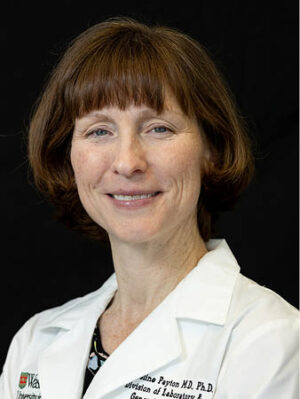
Jacqueline Payton, MD, PhD
PSTP Graduation Year: 2010
Current Position & Institution: Associate Professor of Pathology & Immunology; Co-Director, Physician Scientist Training Program; Associate Medical Director, Molecular Diagnostics Laboratory at Washington University School of Medicine
Areas of Interest: My research focuses on gene regulatory mechanisms that promote the development of cancer and infectious disease. My lab uses computational approaches in concert with in vitro and in vivo experimental studies to define new therapeutic strategies for these diseases.
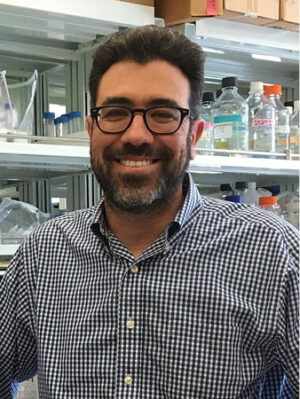
Brian Edelson, MD, PhD
PSTP Graduation Year: 2010
Current Position & Institution: Associate Professor of Pathology & Immunology at Washington University School of Medicine
Areas of Interest: My laboratory is focused on two areas of immunology. First, we are interested in understanding how autoreactive T cells mediate autoimmune disease, particularly in multiple sclerosis (MS) and its mouse model, experimental autoimmune encephalomyelitis (EAE). We focus on how cytokine expression is regulated in autoreactive T cells in a cell-intrinsic manner through the action of transcription factors, and how these cytokines mediate disease pathogenesis. Second, we are interested in understanding the development, heterogeneity, and function of monocytes, macrophages, and dendritic cells during immune responses.
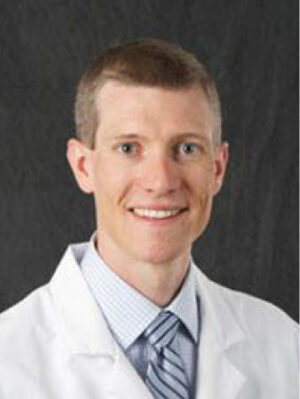
Bradley Ford, MD, PhD
PSTP Graduation Year: 2010
Current Position & Institution: Clinical Associate Professor of Pathology; Program Director, Medical Microbiology Fellowship, Pathology; Medical Director, Clinical Microbiology at the University of Iowa Carver College of Medicine
Areas of Interest: My research focuses on development of new clinical testing methods using a variety of next generation platforms.
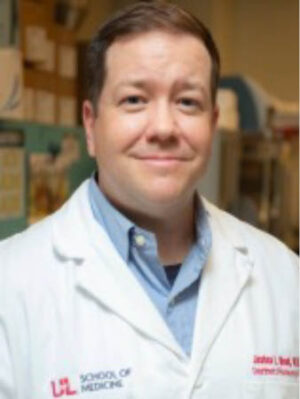
Joshua L. Hood, MD, PhD
PSTP Graduation Year: 2012
Current Position & Institution: Associate Professor of Pharmacology and Toxicology; Member, Experimental Therapeutics & Diagnostics Program, Brown Cancer Center; Scientist, Hepatobiology and Toxicology COBRE, Project PI at the University of Louisville School of Medicine
Areas of Interest: My research focuses on the study of extracellular vesical (EV) function, biomarkers and derivative therapeutics.
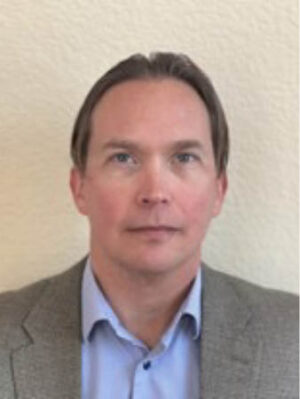
Gerald P. Morris, MD, PhD
PSTP Graduation Year: 2013
Current Position & Institution: Associate Professor of Pathology; Director of Immunogenetics and Transplantation Laboratory at the University of California San Diego School of Medicine
Areas of Interest: My lab studies the immunology of transplantation, particularly as related to pathologic responses causing graft versus host disease or transplant rejection.
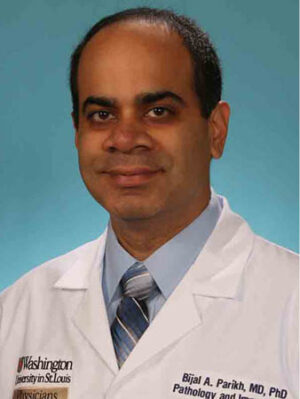
Bijal Parikh, MD, PhD
PSTP Graduation Year: 2013
Current Position & Institution: Associate Professor of Pathology & Immunology; Director, BJH Molecular Diagnostics Lab; Director, Molecular Genetic Pathology Fellowship at Washington University School of Medicine
Areas of Interest: My clinical research centers on aspects of laboratory testing involving viral, immunologic, and molecular diagnostics, with a specific focus on the implementation of next-generation sequencing approaches. My translational research focus is the development of novel molecular diagnostics approaches for infectious disease testing.
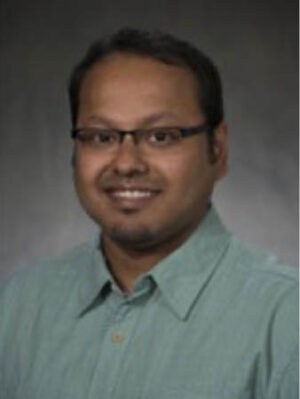
Malay Haldar, MD, PhD
PSTP Graduation Year: 2015
Current Position & Institution: Associate Professor (tenured) of Pathology and Laboratory Medicine; Investigator, Abramson Family Cancer Research Institute; Attending Physician, Department of Pathology and Laboratory Medicine; Member, Penn Center for Genome Integrity (PCGI); Associate Program Director, Physician Scientist Residency Track, Department of Pathology and Laboratory Medicine at the University of Pennsylvania Perelman School of Medicine
Areas of Interest: My lab studies how tissue microenvironment influence the development and function of mononuclear phagocytes (MP cells) of the innate immune system, which comprises of monocytes, dendritic cells (DC), and macrophages.
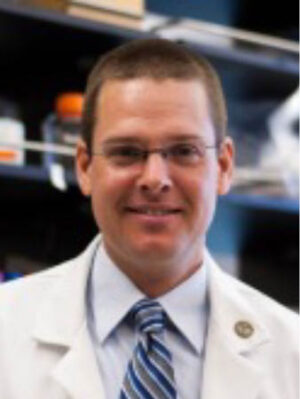
David H. Spencer, MD, PhD
PSTP Graduation Year: 2016
Current Position & Institution: Associate Professor, Section of Stem Cell Biology, Division of Oncology at Washington University School of Medicine
Areas of Interest: My lab’s research is a combination of experimental and computational science that is focused on the common theme of the genetics, genomics, and epigenetics of acute myeloid leukemia.
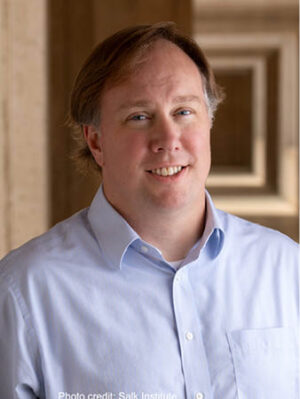
Edward Stites, MD, PhD
PSTP Graduation Year: 2017
Current Position & Institution: Associate Professor of Laboratory Medicine and Pathology at Yale University School of Medicine
Areas of Interest: My lab focuses primarily on cancer, but we are more broadly interested in math-informed, systems-based, projects that tackle fundamental aspects of biology relevant to disease.
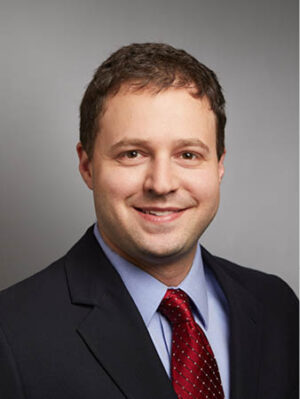
Craig B. Wilen, MD, PhD
PSTP Graduation Year: 2018
Current Position & Institution: Associate Professor of Laboratory Medicine and Immunobiology; Medical Director, Immune Monitoring Core Facility at Yale University School of Medicine
Areas of Interest: My lab is focused on the host-pathogen interactions of RNA viruses including coronavirus and norovirus. We study how noroviruses, coronaviruses, and emerging viruses enter cells, evade the immune system, and cause disease.
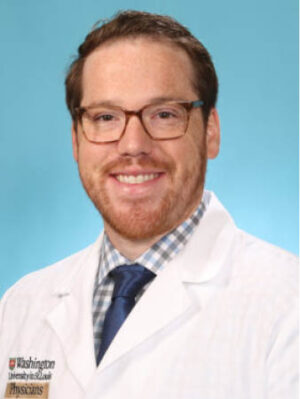
Jonathan R. Brestoff, MD, PhD, MPH
PSTP Graduation Year: 2019
Current Position & Institution: Associate Professor of Pathology & Immunology (with tenure); Director, Immunometabolism Initiative; Medical Director, Clinical Flow Cytometry Laboratory, Division of Laboratory and Genomic Medicine, Barnes Jewish Hospital at Washington University School of Medicine
Areas of Interest: My lab studies how the immune system regulates the function of endocrine organs to contribute to obesity and type 2 diabetes pathogenesis. I also serve as a medical director of clinical immunology, focusing on flow cytometry diagnostic testing.
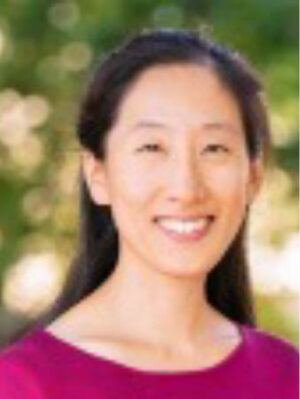
Vanderlene Liu Kung, MD, PhD
PSTP Graduation Year: 2019
Current Position & Institution: Assistant Professor of Pathology & Laboratory Medicine; Medical Director, Immunohistochemistry Lab; Director, Diversity, Equity & Inclusion at Oregon Health & Science University
Areas of Interest: My clinical role focuses on diagnostic renal pathology and surgical pathology.
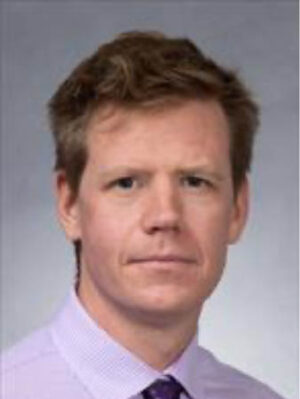
Cole Ferguson, MD, PhD
PSTP Graduation Year: 2020
Current Position & Institution: Assistant Professor of Pathology; Director, Ophthalmic Pathology at the University of California, San Diego
Areas of Interest: As a molecular neuroscience lab, we study how genes regulate the development and function of the mammalian brain. We use genetically engineered mutant mice to understand how defects in chromatin regulation contribute to human neurodevelopmental disorders such as the ANAPC7 neurodevelopmental syndrome.
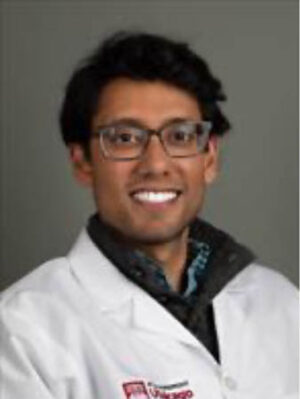
Arjun Raman, MD, PhD
PSTP Graduation Year: 2020
Current Position & Institution: Assistant Professor of Pathology at the University of Chicago
Areas of Interest: My lab is interested in elucidating principles of structure, function, and adaptability relationships with the ultimate goals of (i) characterizing ‘personalized’ variation in biological systems with high-fidelity, (ii) creating tools to genetically engineer variation in a rational way, and (iii) engineering natural-like, adaptive systems de novo.
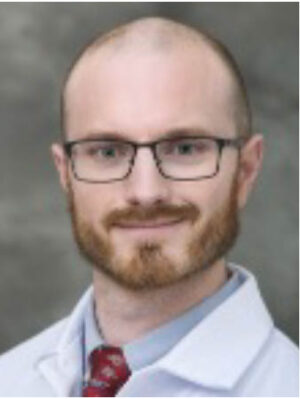
Adam Bailey, MD, PhD
PSTP Graduation Year: 2021
Current Position & Institution: Assistant Professor of Pathology & Laboratory Medicine; Associate Faculty Director of Molecular Microbiology at the University of Wisconsin-Madison
Areas of Interest: The goal of my lab is to make meaningful contributions to the fight against global infectious diseases. This includes using patient data and patient specimens to study the pathogenesis of infectious diseases in humans; developing new animal models to explore the pathophysiology of viral diseases; using animal models to evaluate new therapeutics and vaccines; utilizing in vitro technologies and high-throughput screens to investigate molecular mechanisms governing host-pathogen interactions; and developing new tools for the diagnosis of emerging infectious diseases.
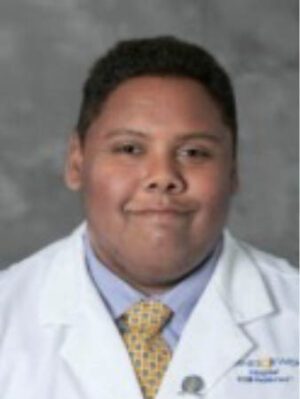
Stephen Persaud, MD, PhD
PSTP Graduation Year: 2021
Current Position & Institution: Instructor of Pathology & Immunology at Washington University School of Medicine
Areas of Interest: I am a physician-scientist devoted to the advancement of basic science for the betterment of human health. In pursuit of this, my long-term aim is to establish an independent research career focused on how the immune system recognizes self from non-self, and the ways this critical distinction impacts human disease.
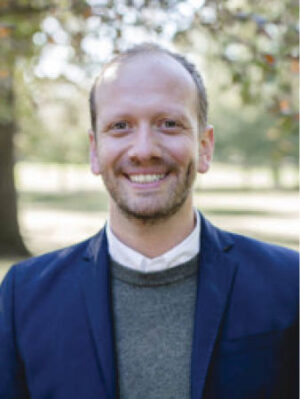
Mark A. Zaydman, MD, PhD
PSTP Graduation Year: 2021
Current Position & Institution: Assistant Professor of Pathology & Immunology at Washington University School of Medicine
Areas of Interest: My primary clinical duties revolve around the practice of informatics – leveraging data and data systems to inform clinical and operational decisions in laboratory medicine. My research efforts can be characterized as applied data science with a focus on developing methods for separating meaningful signals from noise in clinical and biological datasets.
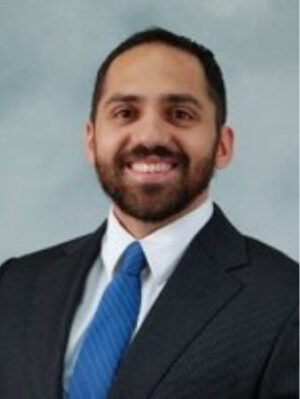
Abraham J. Qavi, MD, PhD
PSTP Graduation Year: 2022
Current Position & Institution: Assistant Professor in Residency, Pathology; Director of Innovative Laboratory Diagnostics at the University of California, Irvine Medical Center
Areas of Interest: Development of new sensing modalities and technologies with the ultimate goal of implementation into a clinical laboratory setting.
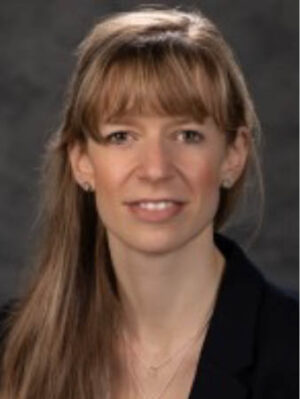
Carina A. Dehner, MD, PhD
PSTP Graduation Year: 2022
Current Position & Institution: Assistant Professor of Clinical Pathology & Laboratory Medicine at Indiana University School of Medicine
Areas of Interest: My subspecialty focus is bone and soft tissue and dermatopathology. My research focuses on genomic changes in soft tissue sarcomas.
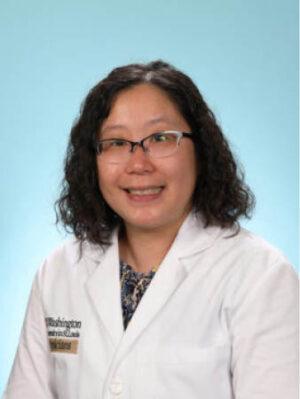
Liang-I Kang, MD, PhD
PSTP Graduation Year: 2023
Current Position & Institution: Assistant Professor in Anatomic & Molecular Pathology at Washington University School of Medicine
Areas of Interest: I am interested in the tumor microenvironment of liver metastases in pancreatic cancer (and other cancer types). My research seeks to identify clinical, cellular, and molecular factors that promote this process, to better understand and treat metastatic cancer. My clinical practice involves gastrointestinal and hepatopancreatobiliary pathology subspecialty practice.
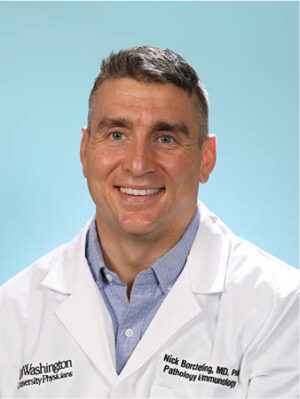
Nicholas Borcherding, MD, PhD
PSTP Graduation Year: 2023
Current Position & Institution: Assistant Professor of Pathology & Immunology; Fellow, Histocompatibility and Immunogenetics at Washington University School of Medicine
Areas of Interest: My research has focused on developing computational approaches to distilling and deciphering adaptive immune receptor sequences and tracking immune cell interaction through intracellular mitochondria transfer.